


Why Restaurant Work Ethic Culture Won’t Let Me Go
Some nights, all you feel is what it took to get good. What it cost.
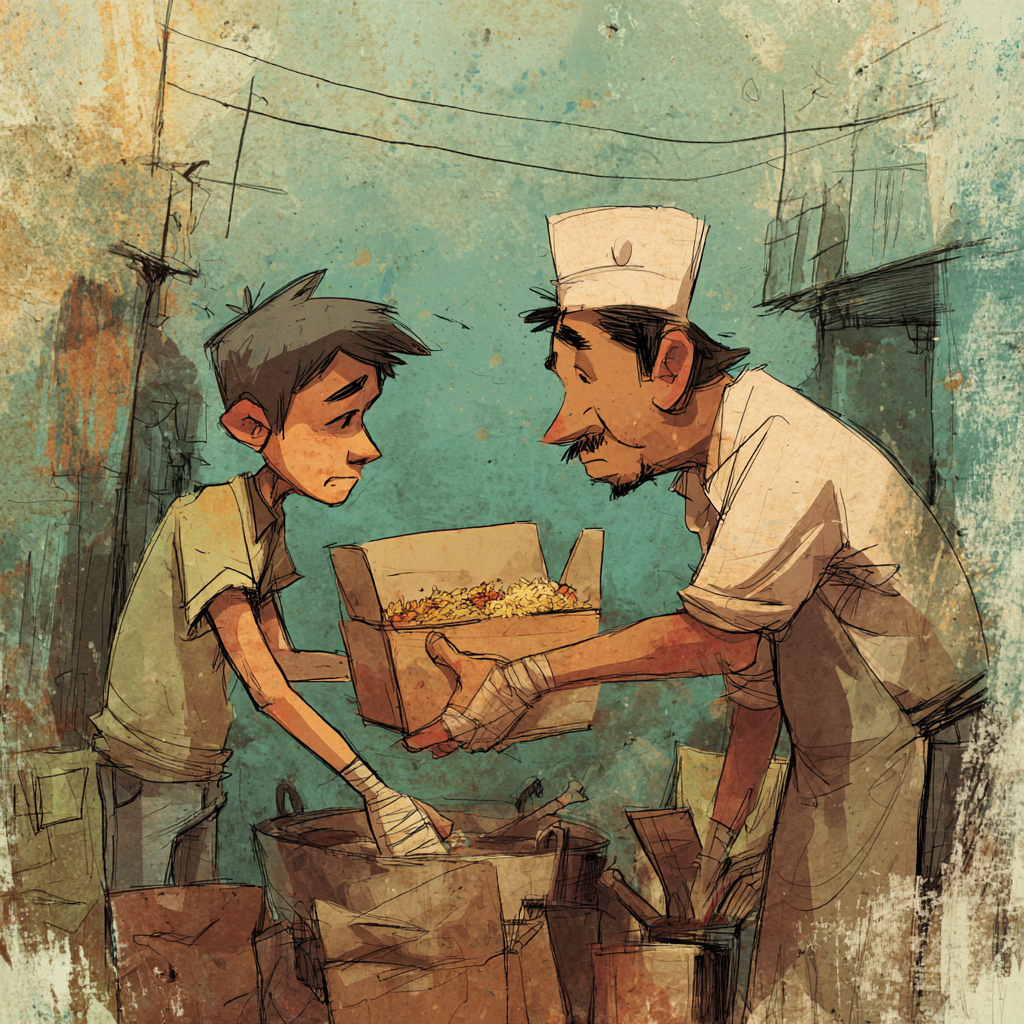
End of the bar. Drink’s warm. Last shift was three years back. My back says it was last night. Watching this kid — twenty, maybe — drop off pans at expo like a broken metronome. Dragging his feet every fourth step. Elbow taped. Lifeless eyes. The look you get three weeks into a five-month bender. Except this isn’t drugs. It’s service.
Bar’s half-full. Music loud in that fake “vibe” way. Plates coming back half-eaten. I watch a woman smear aioli with a fry like she’s fingerpainting, not eating. This food took fourteen man-hours. She’s looking at her phone.
I felt something I didn’t expect.
Pity.
For the kid, yeah. But also maybe for me.
2003. Not Romantic.
Kitchen was in a basement in Midtown. We called it “The Dungeon.” You had to bend over to prep or knock your skull on a pipe. Concrete floors. No windows. One fan, two rats, and a walk-in that ran hot on weekends because the condenser was shot. We still stacked foie terrines higher than rent. You’d piss brown from dehydration and still show up — because you wanted to be called chef.
You wanted someone in another city to say your name. Didn’t matter if they met you. Just knew you cooked like hell.
We roasted marrow bones hard. Fat ran clear. Salt. Toast. Garlic rubbed rough. First time someone moaned eating it — felt louder than sex.
I’d come home and sleep in jeans because I was too tired to take them off. My girl in those days said I smelled like scorched fat and swore I talked in my sleep — inventory lists, curses, plating calls. I don’t remember any of it. That whole year’s a blur. Just tasting spoons, yellow cutting boards, cracked hands.
I was happy. I think.
The Kid With the Busted Elbow
His name, I’d find out an hour later, was Nico. First-gen Colombian. Mother worked housekeeping at the Marriott. School wasn’t gonna pay for itself. He cooked because it “felt more honest than Target.” Told me this after he clocked out, still wearing the apron. Didn’t fold it. Just let it hang. Lank and dead.
Asked him. You like it here?
“Fine,” he said. “Tired. But it makes sense, kinda.”
And honestly? I got that. There’s exhaustion that just strips you empty. Then there’s exhaustion that makes you feel like the day didn’t win. Like some part of you fought back. That’s kitchen tired. You lie down and everything hurts but also? You did something.
That feeling’s addictive. More than any drug I ever touched. And maybe worse.
Afterhours Fried Rice and War Stories
Another kid joined us in the alley. Jenna. Tattoos drawn with prison ink, except none of the good stories. Said she bounced from bistro to ramen joint to café. Always ends up back on the wok line. Open flame. Dump-and-go cooking. Zero bullshit. She offered a beat-up container of “crew fried rice” — barely warm, streaked with soy, chopped hotdogs. It was incredible. One spoon, and I was nineteen again, sitting on a milk crate behind Le Bernardin, eating staff meal out of a quart container covered in fish tape.
Jenna said, “Most of the old guys I trained with are gone. Drives me nuts. No standards anymore. No one checks temperatures. Just vibes and foam.”
I wanted to argue. I wanted to say That’s the point. That maybe the pursuit of standards killed more cooks than it taught. But I stayed quiet.
Because I’ve said that same shit. Maybe last year. Kitchen full of rookies? I turn into Ramsay on speed. No patience, no mercy.
Truth is, I don’t like what poor Jenna’s gonna become. But I see how it happens.
What’s Remembered, What’s Survived
The strongest defense of that old kitchen culture goes like this: it made greatness. Pure and brutal. If you survived, you earned your place in a world that sure as hell wasn’t waiting for you. You burned, you bruised, you learned. And on the best nights, you turned chaos into art. You plated silence. You orchestrated a sonata out of five burners, eleven tickets, and a fridge older than you.
It wasn’t trauma, it was transformation. That’s the myth we told, anyway.
And the people who believe that most? They’re not the ones who broke. They’re the ones still cooking. The ones who got good. Who climbed out with Michelin plates or paid-off houses. The ones who still look at their scars like medals.
I can’t hate it. I can’t.
Because some nights? I miss it so bad my bones itch.
But here’s the problem.
For every chef that made it out, five didn’t. And we stopped counting them. Kid who OD’d in the staff bathroom. Dishwasher who slipped a disc and never got workman’s comp. Sous chef who just vanished — went home one day and never came back. Just a name on a drawer we stopped opening.
What if we were so proud of surviving we forgot to notice how many didn’t?
And what if the pride is the problem?
Burnout in Restaurants Is Not a Badge
I watched Nico go back inside. Grabbed a mop between bites of rice. Elbow still taped. Didn’t ask for help. Just finished the night. Jenna followed. No irony. No big speech. No one Instagrammed it. Just more work. Like it had to be done.
He said he’s tired in a way that makes sense.
That line stuck. Won’t leave me.
Not about being wise. Or evolved. I just don’t want them to end up like me.
No idea what the answer is. None.
But I know I walked two blocks the wrong way. Couldn’t stop thinking about that rice. One burnt spoonful. Still thinking about it.
